


If your business generates used oil, whether it’s an auto shop, fleet maintenance garage, equipment rental yard, or manufacturing facility, you’ve probably got a tank sitting somewhere in the shop and a hauler who comes by every so often to take it away. What you may not know is that this “waste” is actually a valuable heating fuel, and burning it on-site in a waste oil heater could save you thousands of dollars a year while solving a liability problem you didn’t even realize you had.
We know the concept of free shop heat might sound too good to be true, and that’s a fair reaction. But for shops already generating the right kind of used oil in the right amounts, it’s a real option, and a lot more straightforward than it seems.
What Waste Oil Heating Is
A waste oil heater is a furnace built specifically to burn used motor oil, hydraulic fluid, transmission fluid, and similar petroleum-based fluids as fuel rather than heating oil, natural gas, propane, or electricity.
At a glance, a waste oil heater might look similar to a traditional shop heater. But it isn’t a converted oil furnace or a jury-rigged workaround. It’s a purpose-built system designed around the combustion properties of used oil, with internal components built for a very different job:
- Specialized burner and pump, engineered from the ground up specifically to burn waste oil, while often still able to burn standard fuel oil. Key design elements:
- Pre-heater block: Unlike standard fuel oil, waste oil must be pre-heated to ignite properly. The pre-heater block brings both oil and air to the same precise temperature for efficient combustion.
- Retention head design: At the burner retention head, combustion air swirls in a calculated pattern that increases turbulence at ignition, creating a larger, more reliable flame with easier flame control.
- Heavy-duty metering pump: Precision gear ratios and speeds calibrated to the BTU rating of the furnace hold consistent oil flow regardless of viscosity.
- Heavy-gauge, corrosion-resistant, high-temperature combustion chambers and heat exchangers that fully burn off contaminants, moisture, and particulates found in used oil and run for thousands of hours between ash clean-out.
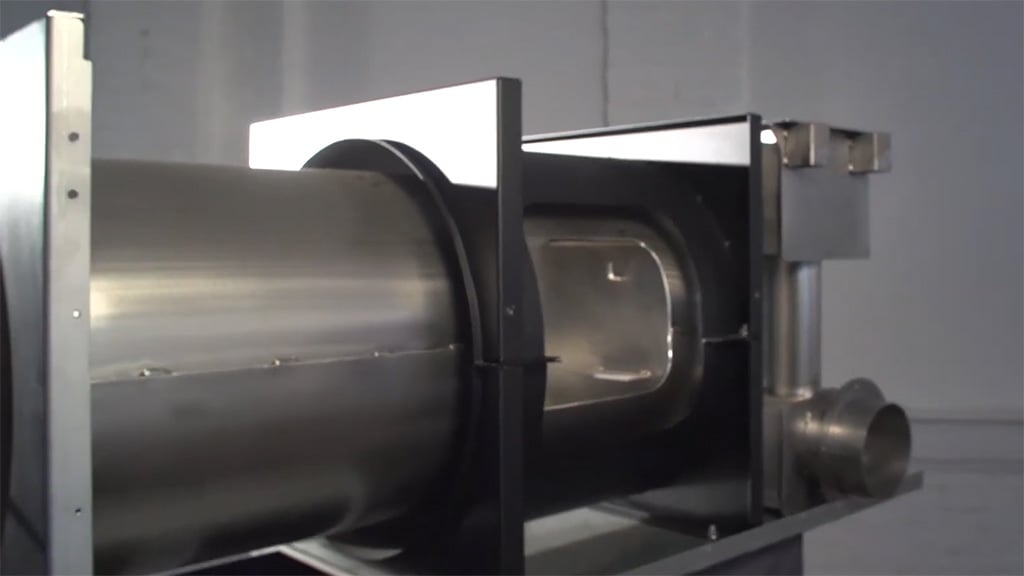
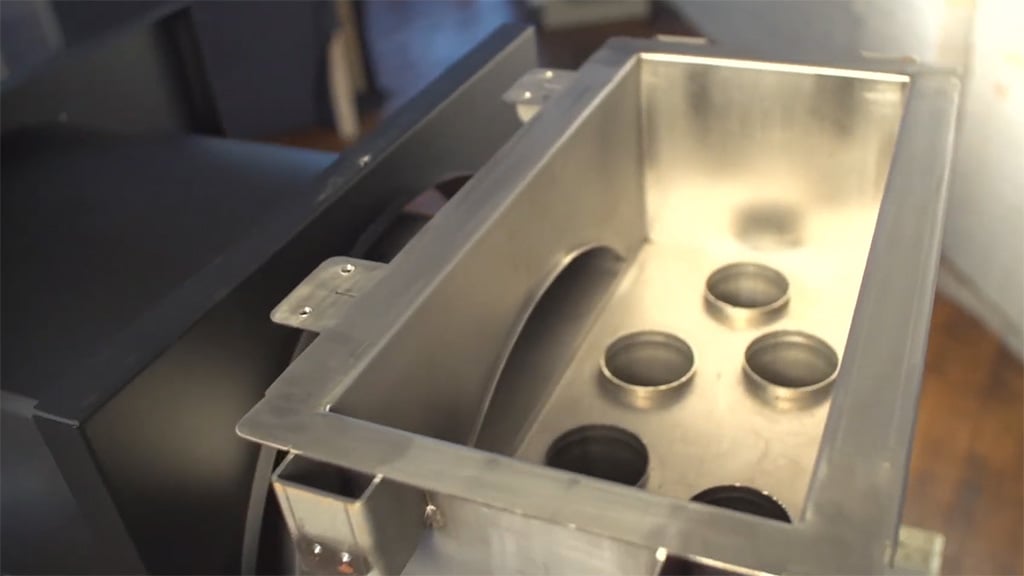
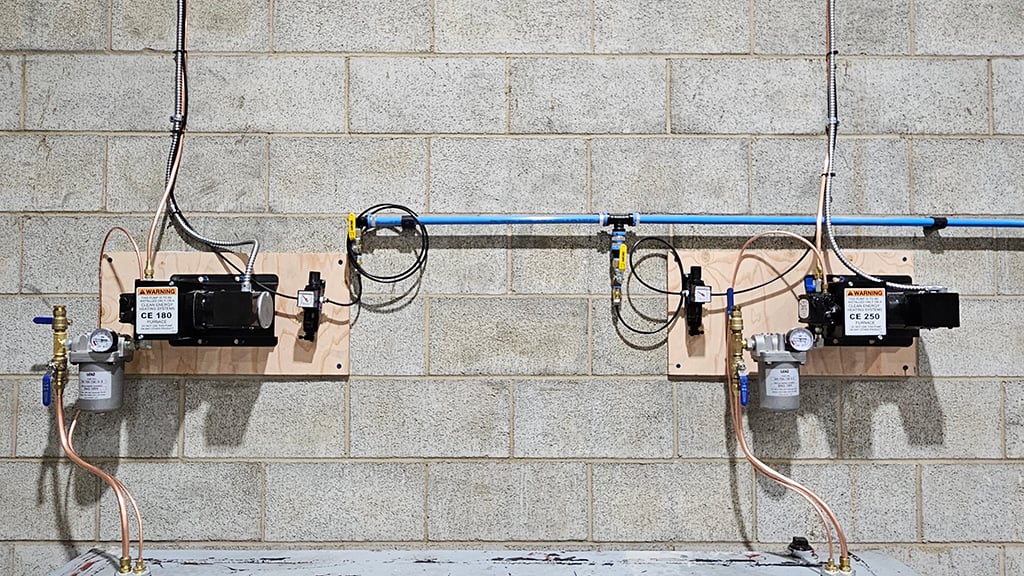
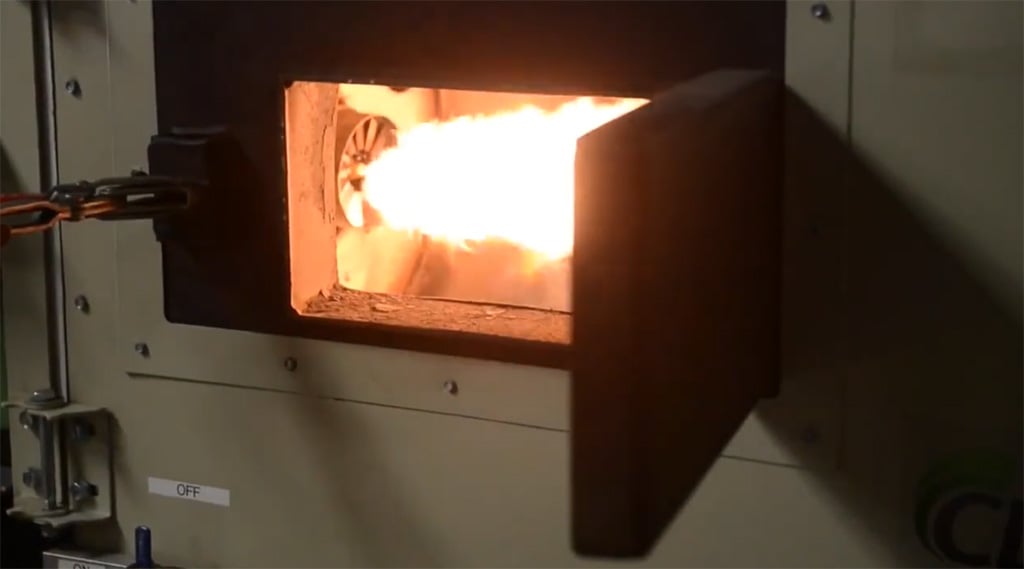
A traditional shop heater, by contrast, is built to run on a single, consistent, clean fuel source. Feed it used oil and you’ll quickly clog the burner, foul the heat exchanger, void the warranty, and create a potential safety hazard. The difference really comes down to engineering: waste oil heaters are purpose-built to handle a messy, variable fuel source safely and efficiently, while standard heaters simply aren’t designed for that job.
What a Waste Oil Heater Can Burn
One of the most common misconceptions is that a waste oil heater is a garbage disposal or catch-all for “getting rid of oil.” It isn’t. Waste oil heaters are designed to burn specific categories of used petroleum fluids.
A Waste Oil Furnace Is Built To Burn:
- Used motor oil
- Used diesel engine oil
- Used hydraulic fluid
- Used transmission fluid
- Gear oil
- Synthetic oils

What Should Never Go In Your Waste Oil Heater:
- New or unused oil
- Antifreeze/coolant
- Brake fluid (in most units — always check manufacturer guidance)
- Solvents, gasoline, or other flammable/volatile chemicals
- Halogenated or chlorinated fluids
- Oil contaminated with water or unknown chemicals above manufacturer thresholds
These are not arbitrary restrictions. Introducing the wrong waste stream can inhibit ignition, damage the furnace, create unsafe operating conditions, or violate air quality regulations. It can also change how the waste in your oil tank is classified and regulated
An EPA-Approved Disposal Method
Here’s the piece most business owners don’t realize until they’ve already paid a hauler for years: on-site combustion in a qualifying used oil-fired space heater is recognized by the EPA as an approved method of managing used oil, under the used oil management standards (40 CFR Part 279).
To qualify, the heater generally must:
- Burn used oil that the business itself generates (not oil brought in from off-site, unless specific conditions are met)
- Have a maximum capacity of 500,000 Btu per hour or less
- Vent combustion emissions to the outside air
Burning your own used oil in a compliant unit does more than dispose of it. It converts a liability into a fuel source, on your own property and under your own control. That matters because under EPA rules, those who generate used oil and have it hauled offsite carry “cradle to grave” responsibility: if your hauler mishandles, spills, or improperly disposes of your oil after pickup, that liability can still trace back to you. Burning it on-site in a compliant heater removes that off-site chain of custody entirely.
Your Waste Oil: Cost or Fuel.
What You're Probably Doing Now
If your shop generates used oil today, it’s going somewhere. Most businesses pay a hauler to collect and dispose of it. Even if a registered waste transport is used, you are still legally responsible for it from the moment it is created (“cradle”) until it is safely and permanently disposed of (“grave”).
In effect, you are increasing your own expenses twice over: you’re buying energy from the public utility to heat your shop, and you’re paying to have energy that could heat your shop hauled away.
What You Could Be Doing Instead
With a waste oil heater, you could increase your net profit by lowering, if not eliminating, heating costs, lowering hauling costs, and eliminating hauling liability exposure. A gallon of used oil generates 140,000 BTUs of heat and has a value exceeding $2.00 per gallon when compared to alternate energy sources. That value per gallon increases further once hauling costs are factored in.
Is Your Business a Good Candidate?
Waste oil heaters make the most sense for businesses that generate a steady volume of used oil on-site. Common candidates include:
- Auto repair shops and dealerships
- Fleet maintenance and trucking operations
- Equipment rental and construction companies
- Agricultural operations
- Manufacturing facilities with hydraulic equipment
- Marinas and boat repair facilities
As a general rule of thumb, businesses generating roughly 500 gallons of used oil or more per year start to see meaningful heating and hauling cost offset from a waste oil heater, though the right size and setup depends on your facility’s square footage, climate, and current heating costs. Smaller generators can still benefit, but the payback timeline stretches out, so it’s worth running the numbers for your specific operation.
When it comes to investment payback, many businesses avoid any out-of-pocket expense altogether by taking advantage of lease-to-own financing, using the money they save on heating bills to cover the payment. Most waste oil heater owners recover their initial investment within 2–3 seasons. Clean Energy waste oil heaters regularly last more than 20 years. Why wait? The payback could be enormous.
Have questions about whether a waste oil heater will positive cash flow, saving you enough money on waste-oil disposal costs and heating costs to justify making the switch? The team at Northstar Clean Concepts can help you evaluate your facility and your numbers.